

Recognition at Work: The Key to Building a Thriving and Productive Workplace
Recognition at work can have two significant meanings: acknowledging employee performance and reinforcing their value within the organization. Both forms are essential in creating a positive workplace culture and driving employee engagement, satisfaction, and overall success. Understanding how recognition functions in the workplace is crucial for both employers and employees looking to foster growth, motivation, and a sense of belonging.
The Power of Acknowledging Performance
At its core, recognition at work often refers to acknowledging individual or team achievements. Whether it’s meeting a sales target, completing a major project on time, or going above and beyond expectations, recognizing employees’ hard work fosters a culture of appreciation. This recognition can take many forms, such as public praise during meetings, personalized thank-you notes, awards, or even financial incentives.
A key benefit of performance recognition is its motivational effect. Employees who feel valued are more likely to continue putting in the effort, driving results, and surpassing expectations. But its influence doesn’t end there—it plays a vital role in employee retention. Research consistently shows that employees who are recognized for their contributions are far more likely to stay with their employer. When individuals feel their work is meaningful, they develop a stronger sense of attachment to the organization. This leads to lower turnover rates, reduced recruitment costs, and a more stable, engaged workforce.
Recognition as a Reinforcement of Value
Recognition goes beyond simply rewarding good performance; it communicates to employees that they are integral members of the team whose efforts contribute to the organization’s greater mission and success. This deeper form of recognition helps employees see the connection between their individual roles and the company’s broader objectives.
When employees feel that their work is valued not just for the output it generates but for its alignment with the company’s values and mission, they experience a greater sense of purpose. This sense of purpose enhances both motivation and productivity, as employees recognize their contribution to the organization’s long-term vision. Importantly, recognition of value doesn’t always have to be tied to specific performance metrics. Sometimes, it’s about acknowledging someone’s positive attitude, teamwork, or their influence on shaping a supportive, collaborative workplace environment.
The Psychological Impact of Recognition
The psychological effects of recognition in the workplace are profound and well-documented in both psychology and business. Positive reinforcement taps into basic human needs for validation and belonging. Recognizing employees’ contributions boosts their sense of self-worth and competence, elevating their confidence and encouraging them to continue striving for excellence.
This psychological reward creates a cycle of positive reinforcement. When employees feel validated and valued, they are more likely to stay engaged with their work, take on new challenges, and grow within their roles. This intrinsic motivation can lead to career advancement and greater personal development as employees feel empowered to continuously improve and contribute to the organization’s success.
Moreover, regular recognition can help counter feelings of burnout, which are increasingly common in today’s fast-paced, high-demand work environments. Employees who feel their hard work is underappreciated or unnoticed are more likely to experience disengagement and fatigue, leading to a decline in morale. In contrast, a culture of regular and meaningful recognition reminds employees that their efforts are not only noticed but valued, which can help mitigate stress and prevent burnout.
How Recognition Impacts the Organization
Recognition isn’t just beneficial for individual employees—it can transform the entire organization. A culture of recognition leads to improved employee morale, which, in turn, positively impacts organizational performance. When employees feel appreciated, they are more likely to invest emotionally and intellectually in their work, which can lead to higher productivity, innovation, and creativity.
Furthermore, recognition fosters a culture of mutual respect and trust within the organization. When recognition flows freely between employees at all levels, it breaks down hierarchical barriers and promotes collaboration. Employees who feel recognized are more likely to communicate openly, share ideas, and work together towards shared goals, which can lead to better problem-solving and decision-making.
From a broader perspective, recognition contributes to organizational stability. As mentioned earlier, employees who feel valued are more likely to remain with the company long-term, reducing turnover and increasing retention. This stability is crucial for long-term business success, as it allows organizations to develop a strong, experienced workforce, leading to better customer service, more efficient operations, and greater overall productivity.
Building a Culture of Recognition
Creating a culture of recognition at work involves more than just occasional praise—it requires consistent, authentic acknowledgment across all levels of the organization. Leaders should prioritize recognizing achievements, offering constructive feedback, and creating an environment where both peer-to-peer and manager-to-employee recognition are commonplace.
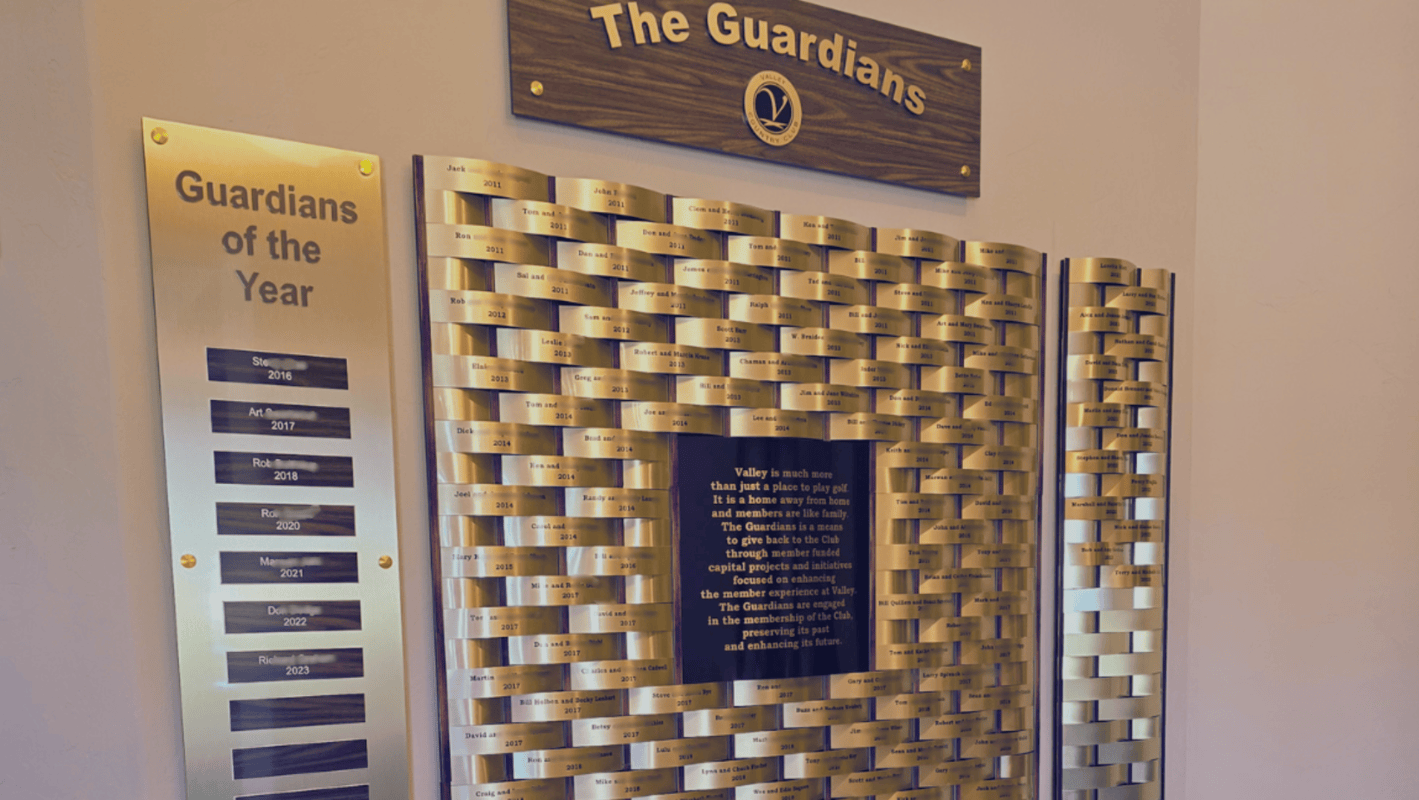
One effective approach is to implement formal recognition programs, such as “Employee of the Month” awards or public recognition boards, where employees are celebrated for both their performance and their contributions to the company culture. These formal programs can be further supported by technology. Digital platforms allow for peer-to-peer recognition, enabling employees to celebrate each other’s efforts and build a stronger sense of camaraderie.
However, the most powerful form of recognition remains the personal touch—a handwritten note, a sincere “thank you,” or a moment in a team meeting to acknowledge someone’s contribution. These gestures can make employees feel truly valued and appreciated.
The Role of Recognition in Leadership: How Leaders and Managers Can Model Recognition
Leaders and managers play a critical role in shaping a culture of recognition within an organization. Their actions and attitudes towards recognizing employees set the tone for the entire workplace. When leaders consistently model recognition, it cascades throughout the organization, creating a ripple effect that influences both the immediate team and the broader company culture.
- Leading by Example
One of the most powerful ways leaders can promote a culture of recognition is by leading through example. When managers make a habit of publicly acknowledging team members’ contributions, it sends a clear message about the organization’s values. For example, a manager who takes the time to praise team members during meetings or expresses appreciation in one-on-one conversations demonstrates that recognition is not only valued but also practiced regularly.
This public modeling of recognition encourages others in the organization to do the same. Employees at all levels are more likely to follow suit, incorporating recognition into their daily interactions with colleagues. When leaders consistently acknowledge achievements—big and small—it normalizes the behavior across the entire workplace.
- Personalized Recognition
Another way leaders can model recognition is by making it personal. Rather than offering generic praise, managers who take the time to recognize individual contributions with specific, tailored feedback create a more meaningful impact. Personalized recognition shows employees that their unique contributions are valued and that the leader genuinely understands the specific ways in which they are making a difference.
For example, instead of simply saying “Great job!” a manager might say, “I really appreciated how you took the lead on that project and kept the team organized. Your attention to detail helped us meet our deadline.” This personalized approach not only makes the recognition more sincere but also reinforces specific behaviors and values that the organization seeks to foster.
- Encouraging Peer-to-Peer Recognition
Effective leaders also encourage peer-to-peer recognition within the team. While managers play a key role in formally recognizing employees, fostering an environment where colleagues recognize one another creates a more collaborative and supportive workplace. When employees feel empowered to acknowledge each other’s contributions, it fosters a sense of camaraderie and strengthens team bonds.
Leaders can support peer recognition by creating formal programs, such as “shout-out” boards or recognition platforms, where employees can highlight one another’s accomplishments. By actively encouraging this kind of recognition, leaders build a team-oriented culture where appreciation is shared and celebrated.
- Recognition in Challenging Times
The role of recognition in leadership is especially important during difficult or stressful times. In periods of high pressure, such as tight project deadlines or organizational changes, employees often feel overwhelmed or burned out. In these moments, recognition from leadership can be a powerful motivator.
Leaders who take the time to recognize the efforts of their team during these challenging moments help boost morale and show their team members that their hard work is valued, even when things aren’t going perfectly. This helps employees stay focused, maintain a positive mindset, and remain committed to achieving the team’s goals. In the long term, it also fosters a resilient and supportive work environment.
- Building Trust Through Recognition
Finally, recognition plays a crucial role in building trust between leaders and employees. When leaders consistently acknowledge their employees’ efforts and make recognition a priority, they build a foundation of mutual respect. Employees begin to trust that their work will be valued and that they will receive the acknowledgment they deserve.
This trust is vital for employee retention and overall organizational success. Employees who trust their leaders are more likely to be engaged, committed, and motivated to go above and beyond in their work. Recognition is one of the key factors that helps build this trust, creating an environment where employees feel safe, supported, and encouraged to perform their best.
Conclusion
Recognition at work, both in terms of acknowledging performance and reinforcing value, plays a pivotal role in creating a thriving and productive workplace. Employees who are recognized for their contributions are more likely to be motivated, engaged, and loyal to their organization, driving both individual and collective success. The benefits of recognition extend far beyond improved productivity—they also foster a culture of respect, trust, and collaboration. By prioritizing recognition, employers can create an environment that encourages personal growth, strengthens teams, and propels the organization toward long-term success.
One powerful way to embed recognition into your workplace culture is through LINX Recognition Walls. These dynamic and visually engaging displays provide a lasting and meaningful way to celebrate employee achievements, milestones, and contributions. Whether it’s highlighting top performers, showcasing teamwork, or reinforcing company values, LINX Recognition Walls turn appreciation into a permanent and inspiring presence in your organization. Elevate your recognition strategy with a tangible and impactful solution—because when recognition is visible, its impact lasts.